Myth Boarded by Batty — Episode 2
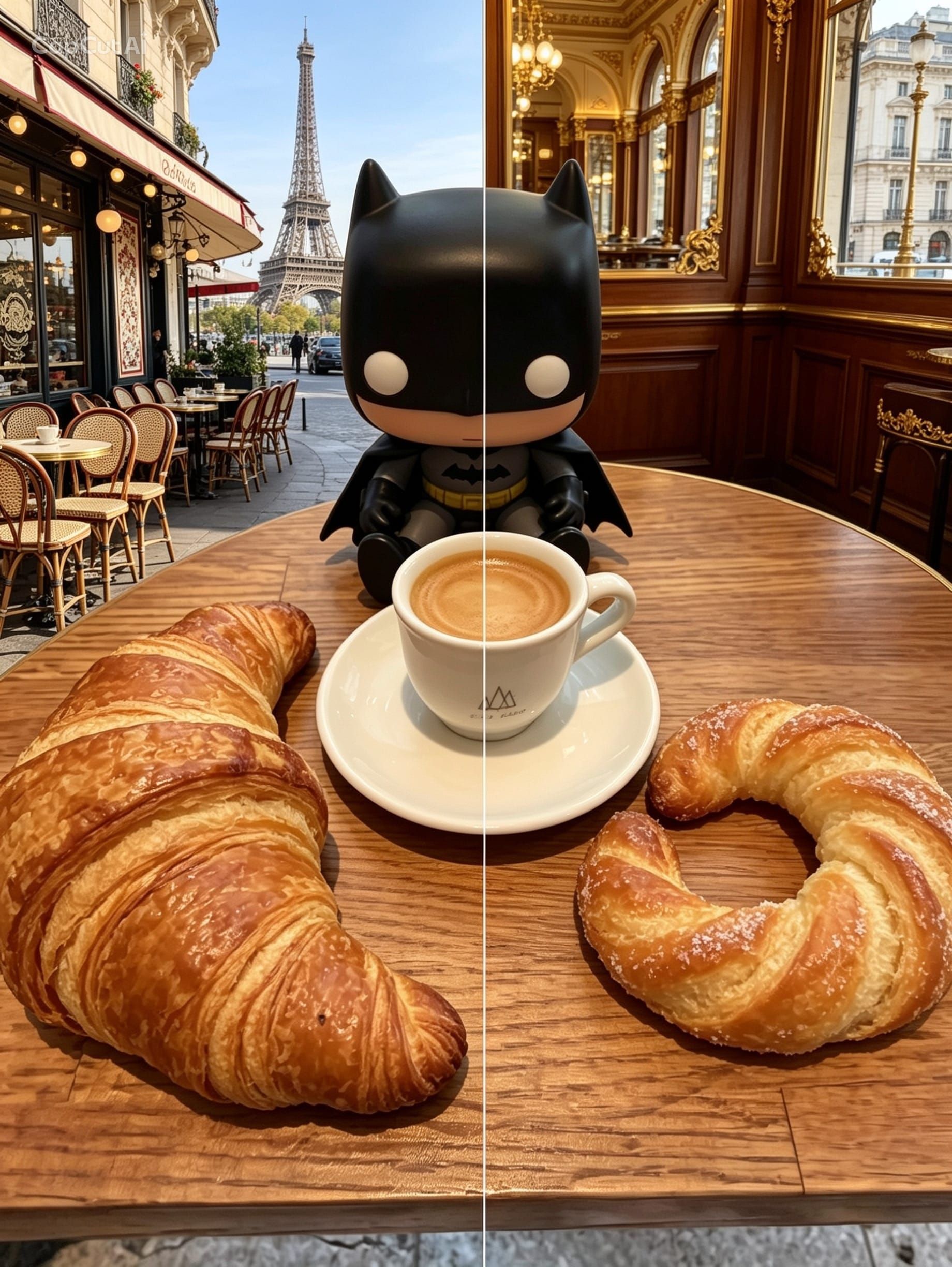
The Croissant Is French. (No It Isn't.)
Myth Boarded by Batty — the series where commonly held beliefs are politely removed from the menu and replaced with the actual ingredients. No turbulence. Just facts, served warm.
Let me tell you something about living in the Austrian Salzkammergut.
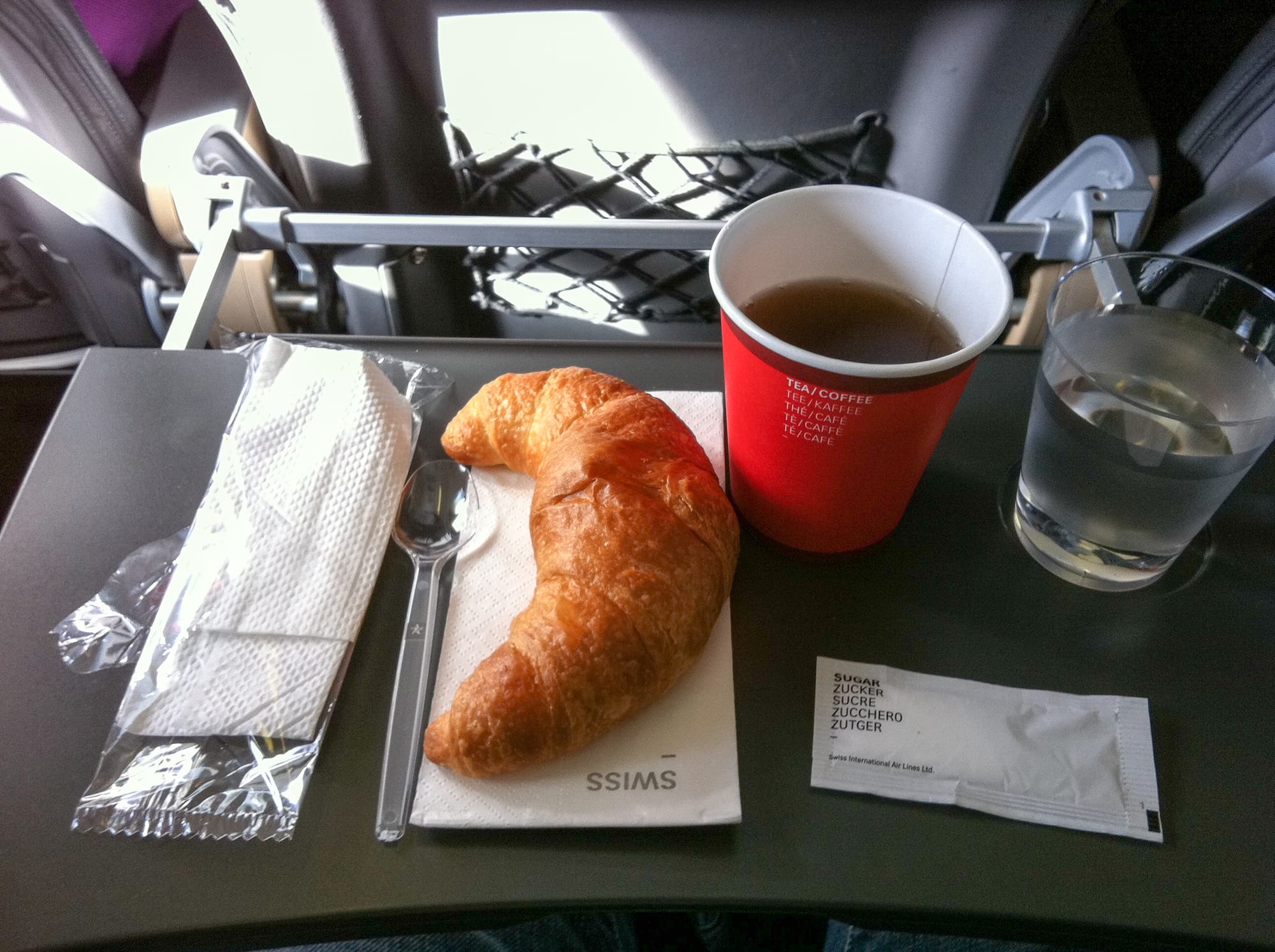
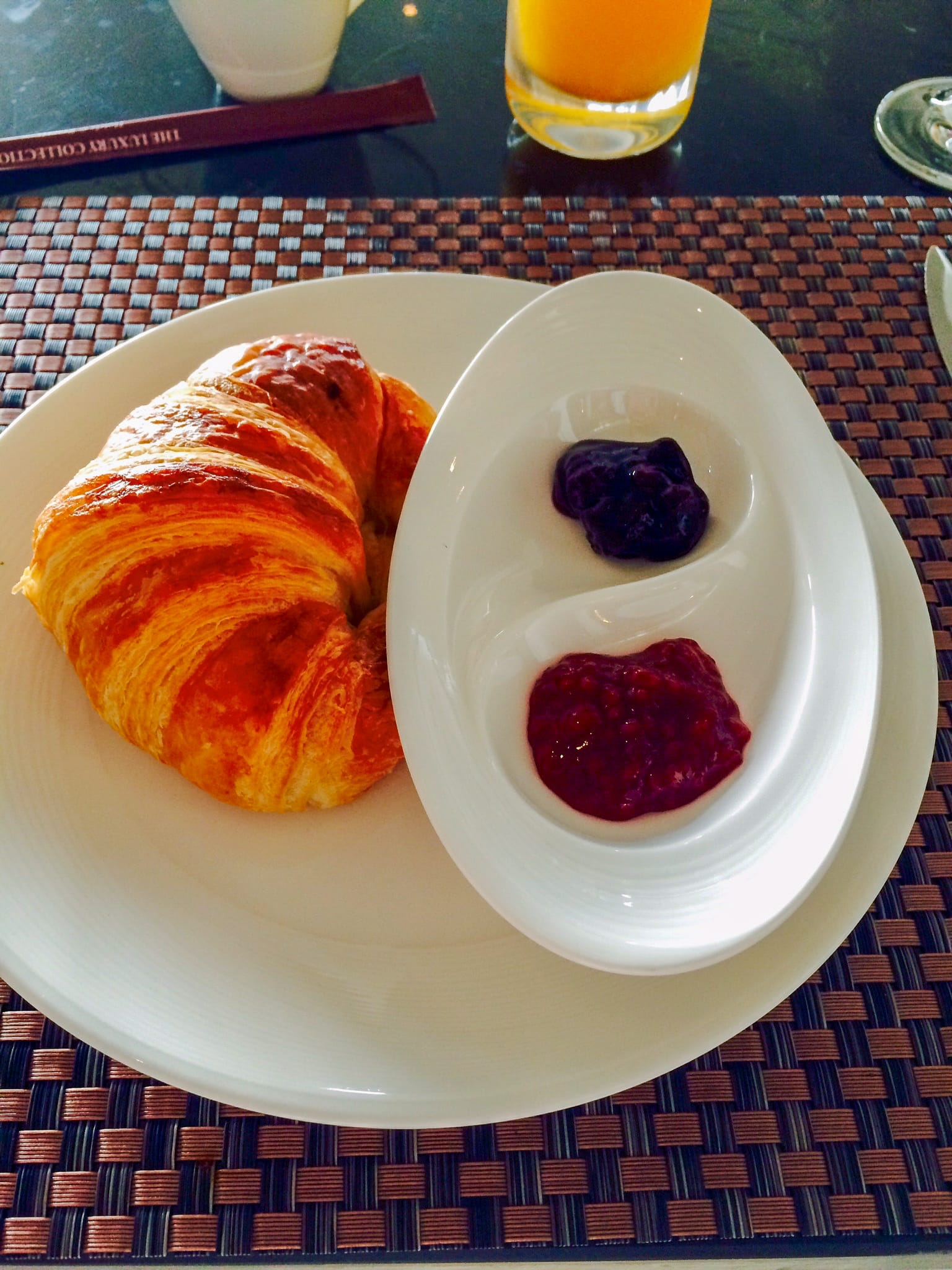
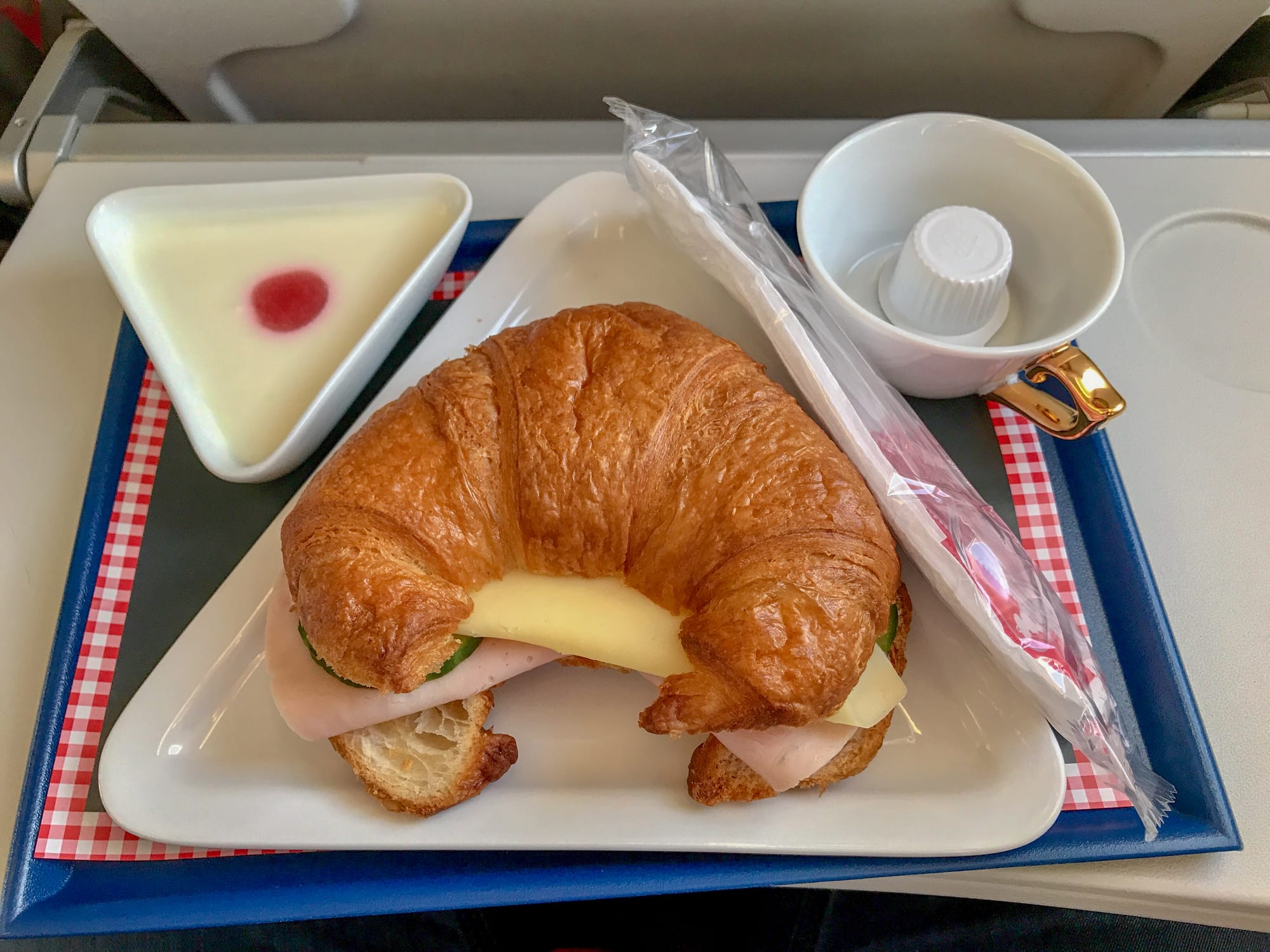
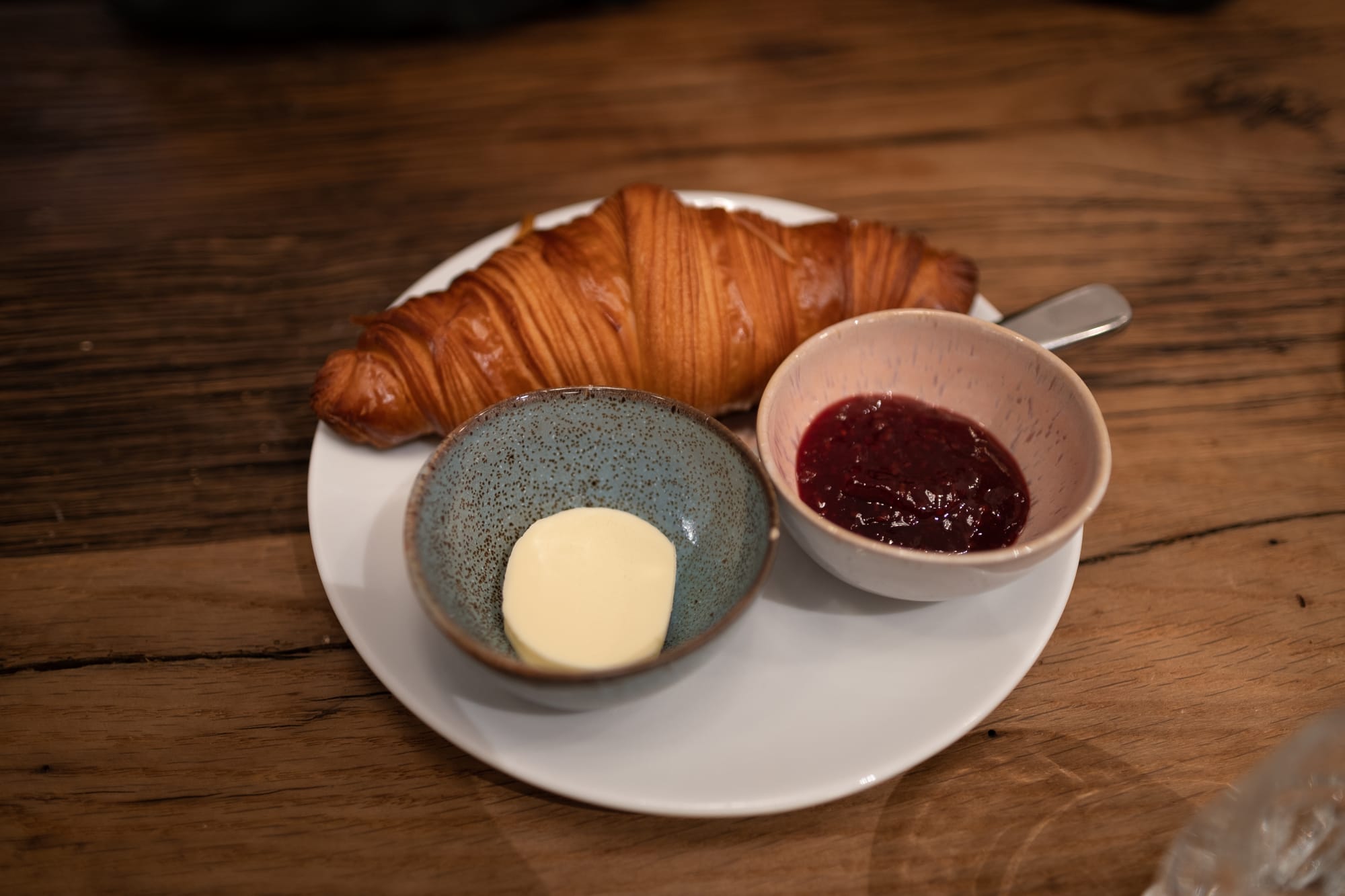
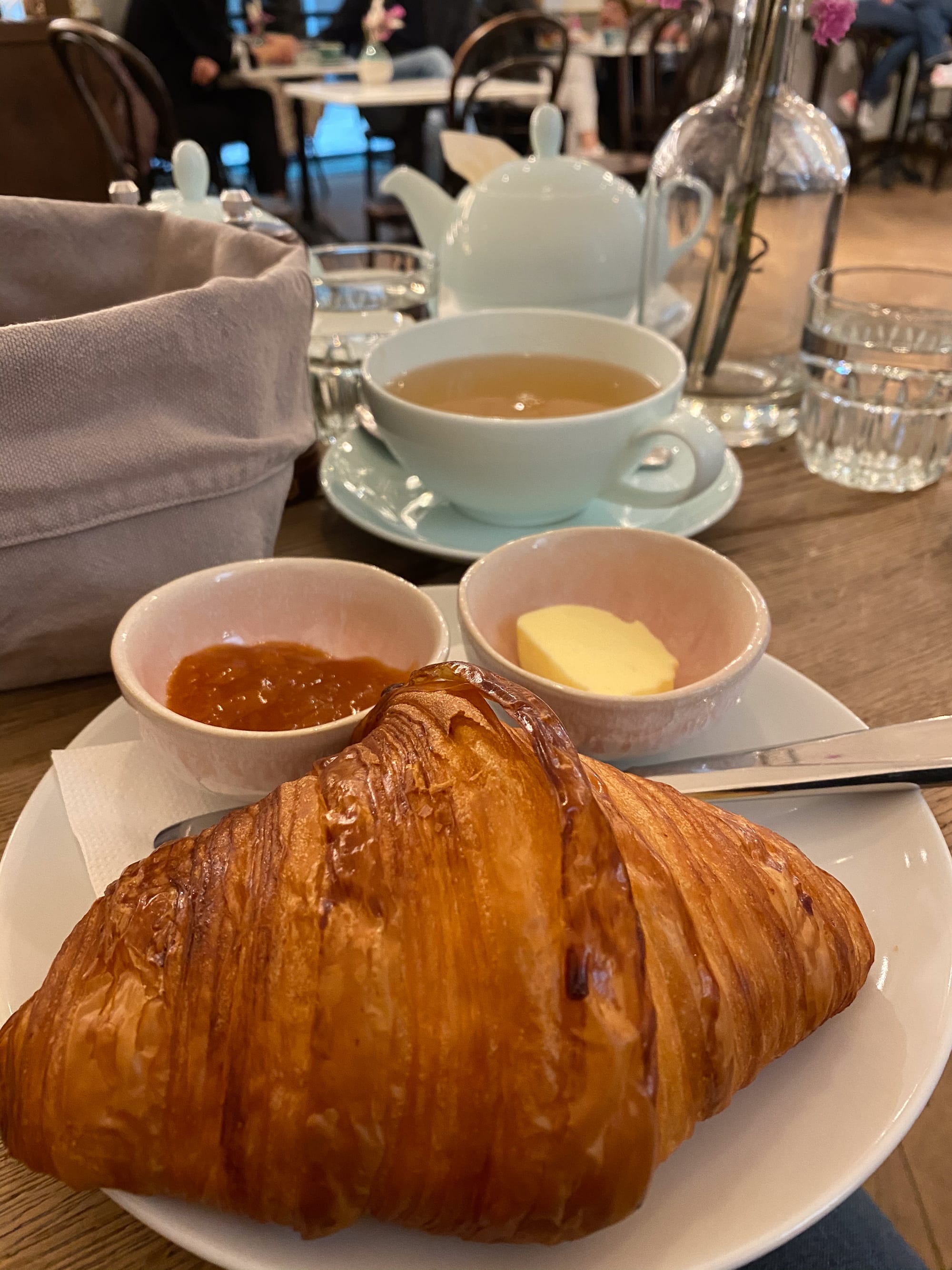
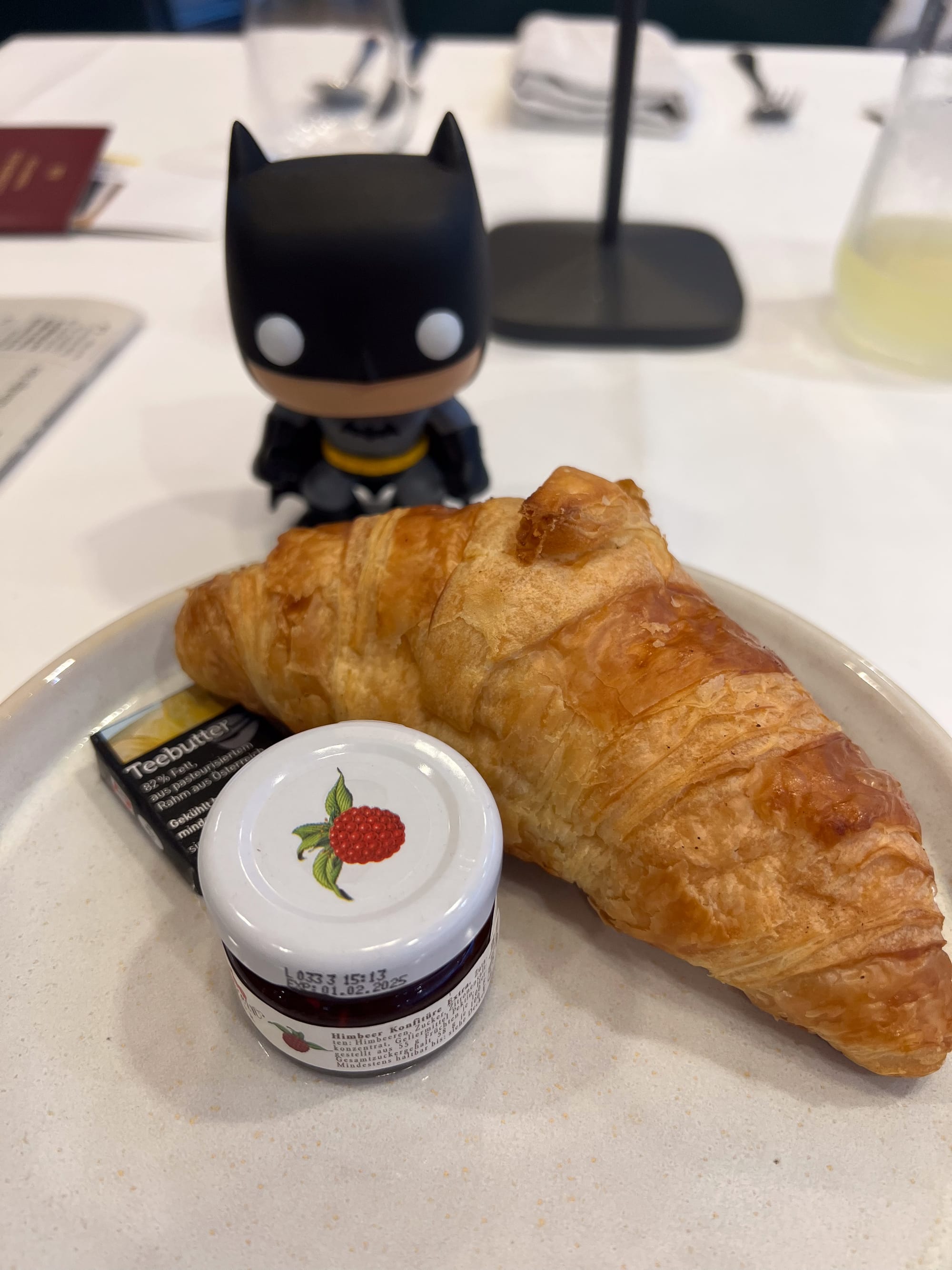
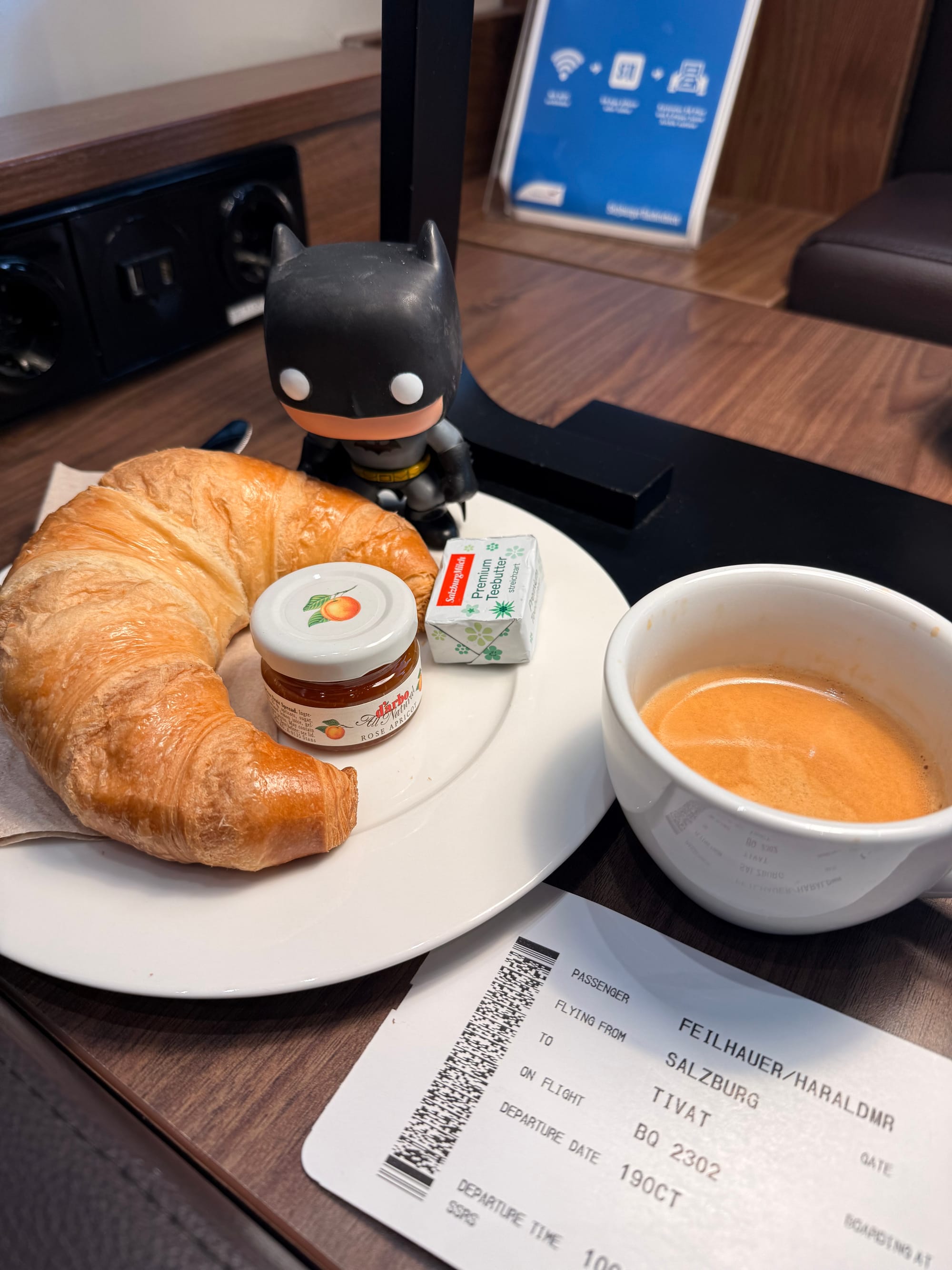
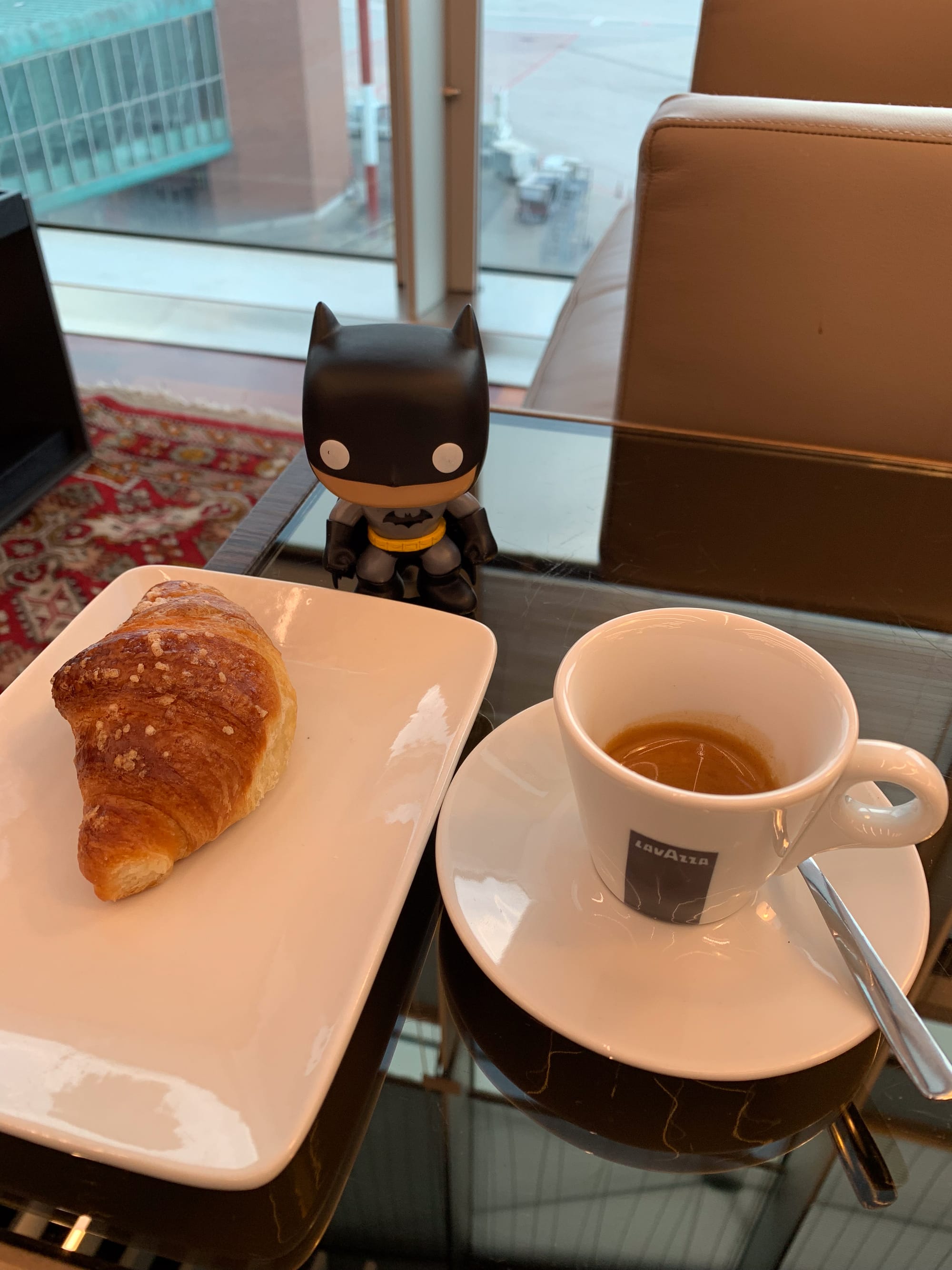
Every morning, if you are so inclined, you can drive twelve minutes to a bakery and eat something that the French have been taking credit for since approximately 1838. The locals call it a Kipferl. The French call it a croissant. Batty calls it ours.
This is Episode 2. We are reclaiming breakfast.
The Claim
The croissant is French. It is the embodiment of Parisian mornings, of café terraces, of butter-stained fingers over a copy of Le Monde, of the kind of breakfast that somehow makes even bad news feel elegant. It belongs to France the way the Eiffel Tower belongs to France, the way rudeness to tourists belongs to France, the way a very specific shrug belongs to France.
Sauf que. Except.
The Kipferl: A Brief History of Austrian Breakfast Supremacy
The crescent-shaped pastry does not begin in Paris. It begins in Vienna — and it begins, depending on which historian you consult, somewhere between the 13th and 17th century. The Austrian Kipferl is a crescent-shaped roll, slightly denser than its French descendant, eaten with coffee that is also, incidentally, more Viennese than it gets credit for. But that is a different episode.
Now. There is a legend — disputed by serious historians, which is precisely why it deserves to be told — that the crescent shape is a deliberate reference to the Ottoman flag. The story goes like this:
In 1683, the Ottoman army laid siege to Vienna. This was the second time they'd tried, and they were substantially committed to the project. Working underground, they attempted to tunnel beneath the city walls. The only people awake at that hour — because this is when the work happens — were the bakers. The bakers heard the tunneling. The bakers raised the alarm. The city was saved.
As a reward, the bakers were allegedly granted the right to produce a pastry in the shape of the crescent moon from the Ottoman flag — so that Vienna could, at breakfast, symbolically consume its would-be conquerors. Every morning. With butter.
Historians note there is no contemporary source confirming this story. Historians are correct. The story is, however, so thoroughly satisfying that it deserves to be repeated with appropriate caveats and then enjoyed anyway.
Enter August Zang — The Man Who Took Vienna to Paris
The actual, documented transfer of the Kipferl to France has a name and an address.
August Zang was an Austrian artillery officer who, in 1838, opened a bakery in Paris called the Boulangerie Viennoise, at 92 Rue de Richelieu. He brought Viennese baking techniques to the French capital — including the Kipferl, Viennese bread, and the general concept that breakfast could be something worth thinking about.
The Parisians, to their enormous credit, were immediately obsessed. The Boulangerie Viennoise was a sensation. French bakers, being French bakers, studied the technique, adapted it, and — this is the part where France genuinely earns some credit — improved it. They developed the laminated dough process: dozens of layers of butter folded into the pastry, creating the shatteringly flaky, architecturally ambitious croissant that the world now recognises. The first recorded use of the word croissant in French appears in 1853.
So to be precise: Austria invented the concept and the shape. France invented the version you actually want.
This is, as collaborations go, one of the more successful in culinary history.
Marie Antoinette — Probably Not Responsible, But Narratively Ideal
There is also a version of this story involving Marie Antoinette, who was Austrian — a Habsburg archduchess from Vienna who married Louis XVI and subsequently had a rather difficult time of it in France. The story holds that she introduced the Kipferl to the French court out of homesickness, and that Parisian bakers began producing it in her honour.
This is almost certainly not true in any precise historical sense. There are no contemporary sources. The timeline is questionable. Historians are appropriately skeptical.
Marie Antoinette did, however, grow up in Vienna eating Kipferls. She did move to France. The French court did subsequently develop an enthusiasm for Viennese pastries. And she is, let's be honest, a considerably more romantic origin story than an artillery officer with a bakery lease on the Rue de Richelieu.
Both versions exist. Both have merit. Batty prefers the one involving August Zang because it is actually documented, but will not object if you prefer the Archduchess narrative at breakfast.
The Verdict
The croissant as you know it — flaky, laminated, structurally precarious, requiring a surface area of approximately one dinner table to eat without incident — is a French invention. The French genuinely developed that.
The crescent shape, the concept, the name Kipferl, the original pastry: Austrian. Probably medieval. Possibly connected to an Ottoman siege. Definitely brought to Paris by a man from Vienna with a commercial bakery licence.
Every time someone in Paris bites into a croissant, they are, technically, eating Austrian cultural heritage with better butter.
I live in the Salzkammergut. I eat Kipferls. I feel entirely at peace with the situation.
You're welcome, France. The bill is in the post.
P.S. — The Coffee Connection Nobody Mentions
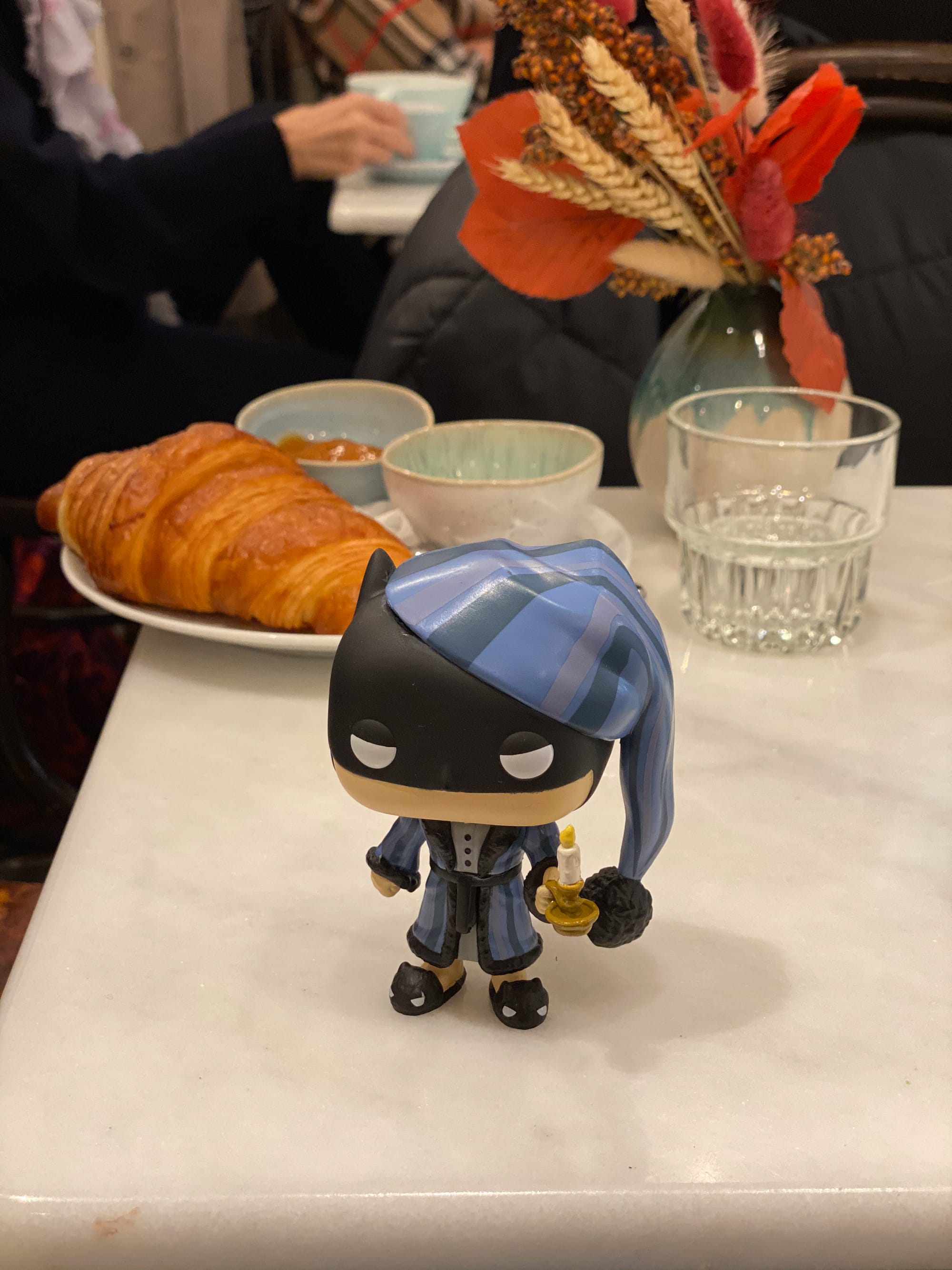
While we're here: the Viennese coffeehouse tradition — the one involving marble tables, newspapers on wooden holders, and a glass of water served alongside every coffee as a matter of non-negotiable principle — also predates the Parisian café culture that the world tends to romanticise. The first Viennese coffeehouse opened in 1683. The same year as the siege. The same year as the Kipferl legend.
Vienna was, that particular year, extremely productive under pressure.
The croissant and the coffeehouse. Both Austrian exports. Both now considered quintessentially French or, in the case of coffee culture, claimed enthusiastically by approximately every major European city.
Batty notes this. Batty continues eating Kipferls in the Salzkammergut. Batty is fine.
🦇 Myth Boarded by Batty — because someone has to say it.
Next episode: another thing everyone knows. Incorrectly.